Showing posts with label fat. Show all posts

Monounsaturated fat in food

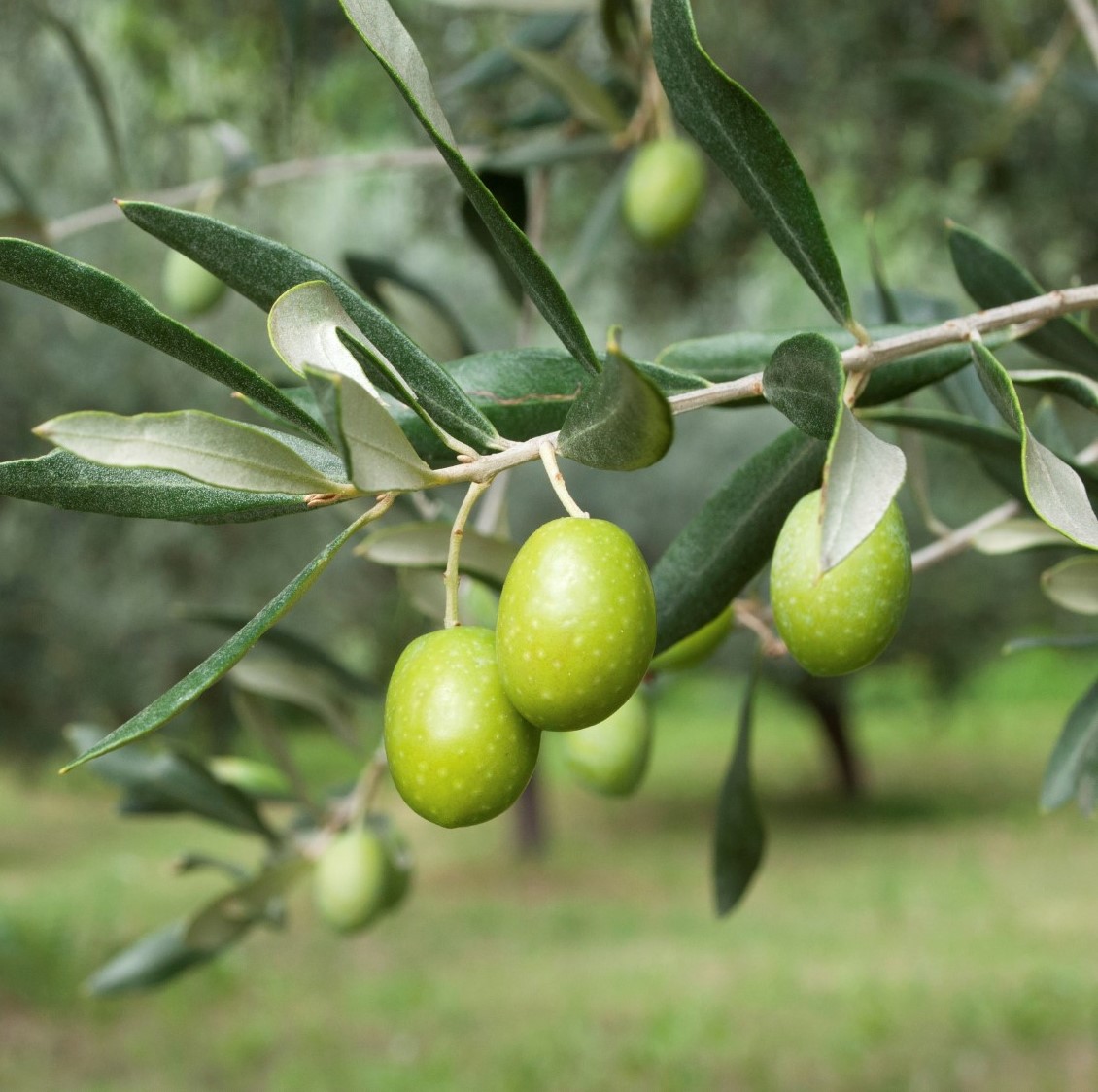
Monounsaturated fats can be found mainly in certain vegetable and nut oil, including olive, peanut, and canola. Monounsaturated fat like oleic acid can be found in almond, pistachio, pecan, avocado, hazelnut, cashew and macadamia oils as well as in the membranes of plant and animal cell structures.

A number of studies show that saturated fat significantly worsens insulin-resistance, while monounsaturated and polyunsaturated fats improve it through modifications in the composition of cell membranes. Shifting from a diet rich in saturated fat acids to one rich in monounsaturated fat improves insulin sensitivity in healthy people.

Large amounts of monounsaturated fat lower plasma total and LDL levels when compared with saturated fat. Unlike polyunsaturated oils, monounsaturated fat did not lower the plasma HDL cholesterol level.
Monounsaturated fat in food

Saturated fats: Not essential fat

Fat is a major source of energy and helps human body absorb vitamins. It is also important for proper growth, and for keeping human body healthy. A completely fat-free diet would not be healthy, yet it is important that fat be consumed in moderation.

Saturated fatty acids are important as sources of energy and as components that make up cell membranes. They are not considered “essential” in the diet because the human body can synthesize its own saturated fatty acids.

Saturated fats – which come from foods of animal origin such as meat, poultry, milk, butter and cheese, as well as from palm, coconut, and palm kernel oil – have been shown to increase total blood cholesterol levels, especially the undesirable LDL portion and increase the risk for heart disease.

Dishes with many ingredients — like pizza, casseroles, burgers, tacos, and sandwiches — tend to have ingredients that are high in saturated fats.

Numerous epidemiological studies indicate that a higher saturated fat intake is associated with increased incidence of or death from heart disease. In some studies results differ for males and females, and a high intake of dietary fiber weakens the association with saturated fat in some studies.

To limit the amount of saturated fats consumption, choose lower-fat and lean options of dairy, meat, and poultry — like skim milk, lean beef, and grilled chicken breast without the skin.
Saturated fats: Not essential fat

Red meat and nutrition

Red meat is long established as an important dietary source of protein and essential nutrients including iron, zinc and vitamin B12. Meat is defined in food preparation as the edible flesh of domesticated animals. Meats are composed of muscle, connective tissue, fat and bone.

Basically, there are two types of meat –red meat and white meat. Red meat is commonly considered to include beef, pork, lamb and game. The flesh of poultry, including chicken, turkey and duck is termed ‘white meat.’

The chemical composition of meat varies to a large degree. The lean component of red meat is an excellent source of high biological value protein, vitamin B12, niacin, vitamin B6, iron, zinc and phosphorus. Red meat also rich with long-chain omega-3 polyunsaturated fats, riboflavin, pantothenic acid, selenium and, possibly, also vitamin D.

Meat may contain 45-70% water, 15-20% protein and anywhere from 5 to 40% fats depending on the cut and trim.

Red meat is low in total fat, saturated fatty acids – SFAs and salt, whereas untrimmed meat is higher in both total fat and saturated fatty acids, processed meat is generally higher in salt and fat and often contains other components such as nitrites which are added during processing. Saturated fats promote less oxidation, and therefore less rancidity.

Red meat also contains relatively low levels of PUFA. The main PUFA in red meat are the essential fatty acids, linoleic (n-6) and α-linoleic acid (n-3). When consumed, the body can convert α-linoleic acid into the long-chain beneficial n-3 fatty acids EPA and DHA.

Meat is principally composed of protein which provides 17kJ/4kcal of energy per gram, but also contains fat in varying amounts providing 37kJ/9kcal of energy per gram.

The protein is highly digestible, around 94% compared with the digestibility of 78% in beans and 86% in whole wheat. Protein from meat provides all essential amino acids (lysine, threonine, methionine, phenylalanine, tryptophan, leucine, isoleucine, valine) and has no limiting amino acids. Protein is needed for growth, maintenance and repair of the body.

Red meat contains on average 20–24 g protein per 100 g (when raw) and can therefore be considered a high source of protein.

The three types of protein in meats are myofibril, stromal protein and sarcoplasmic protein.

Muscle is approximately 75 percent of water and 20 percent protein with a remaining 5 percent representing a combination of fat, carbohydrate and minerals.
Red meat and nutrition
Lipid content in milk

Milk is the liquid food secreted by the mammary gland for the nourishment of the newly born, containing water, fat, protein, lactose and minerals.

Bovine milk contains about 3.5 to 5% total lipid, existing as emulsified globules 2 to 4 μm in diameter and coated with a membrane derived from the secreting cell.

The lipid content of mammalian milk varies from 16 g/liter (horse) to 105 g/liter (deer), human milk contains about 38 g of fat per liter.

The lipids consist essentially of triglycerides, together with very small proportions of other lipids including phospholipids, cholesterol, squalene, lanosterol, free fatty acids, traces of monoglycerides resulting from lipolysis, and bound aldehydes, glycerol ethers, and also keto-compounds,

Triacylglycerols make up 98% of the lipid content of milk, ranging in different species from 0 to 50% of the total milk volume. The fatty acid composition of the triacylglycerols depends on the species, the dietary fatty acid composition, and the carbohydrate-to-lipid ratio of the diet.

Phospholipids or ‘lipids containing phosphorus’ are about 0.5 to 1% of total lipids, and· sterols are 0.2 to 0.5%. These are mostly located in the globule membrane. Cholesterol is the major sterol at 10 to 20 mg/dl.
Lipid content in milk


Carbohydrate as a source of energy

Fats and carbohydrates are equally important sources of energy when the body at rest and at low-levels of exercise, such as a slow walks.

During short term, intense exercise, carbohydrates are the main source of energy. Carbohydrates are made of carbon, hydrogen and oxygen and are classified as either simple or complex, based on the number of sugar molecules present.

Carbohydrate in the form of glycogen is the most readily available energy source. Compared to fat, carbohydrate provides energy more quickly, can be used whether or not oxygen is present and serves as the sole source of energy for the central nervous system.

During prolonged exercise, fats become the main energy source, and the shift from carbohydrate to fat utilization (carbohydrate sparing) is enhanced by physical training.

For the people of many countries, 80% of their total daily calories come from complex carbohydrates.

Carbohydrate such as starches and sugars are an efficient and readily available energy source especially for the brain. They are also necessary for fat and protein metabolism. Carbohydrates provide energy with 4 calories per gram.

Plentiful stores of carbohydrates in the body are important for excelling in physical activity, especially endurance exercise. During exercise utilization of carbohydrate accelerates an increased release for glucose from the liver is functionally important to maintain blood glucose homeostasis and to possibly attenuate muscle glycogen glycogen depletion.

If inadequate carbohydrate is available, the body burns protein for energy. This protein comes from food and from the body’s own muscle tissue.

Therefore, in cases of inadequate carbohydrate and protein intake, not only would muscle wasting occur, but adequate proteins would not be available for repair of body tissue.
Carbohydrate as a source of energy 

Fat composition in human body

The variables of body composition were measured through the following methods: bioelectrical impedance analysis (BIA), near-infrared interactance (NIR), slaughter cutaneous skinfold equations (SKI) and body mass index (BMI).

Body composition generally refers to the absolute amount of fat and nonfat tissue within the body as well as the ratio of fat to total body mass (TBM).

Typically, body composition is assessed to determine the percentage of body fat and of lean body mass (LBM) or fat free mass (FFM).

Although FFM and LBM are often used interchangeably, LBM includes not only all nonfat portions of the human body, but also essential fat deposits, whereas FFM is the total mass of all tissues within the body excluding all fat.

Fat mass (FM) is the total mass (or kilograms) of all fat within the body. Body fat is made-up of about 10% water and 90% adipose tissue.

Essential fat is found associated with the bone marrow, the central nervous system and internal organs. Without fat in these areas, the body cannot function properly.

The essential body fat percentage or minimum level of body fat comparable with health in men is approximately 3-5% and in women is approximately 12-14%.

Many factor such as age, gender, stature heredity, and pregnancy influence body composition.

Young individual tend to have higher resting metabolic rates, are more active, and as a result are lean.
Fat composition in human body

The digestion of fat in human body

While a small amount of fat splitting may take place in the stomach, most of the digestion of food fat is carried on in the intestine through the action of intestinal and pancreatic enzyme and of bile.

In human body fat occurs mainly as neutral fat in the form of triglycerides of oleic, palmitic and stearic acid. In addition to neutral fats, fats include phospholipids, cholesterol and its ester. Neutral fats are triglycerides i.e, glycerol combined with three molecules of fatty acids.

The first step of fat digestion begins in the stomach. Lingual lipase secreted from the serous glands of the tongue, and gastric lipase, secreted from the chief cells of the gastric mucosa, digest approximately one third of the dietary triglycerides.

Main digestion of fats is carried out by pancreatic lipase at optimum pH 8 and temperature of 40° C.

Bile salts are helpful and break up the fat droplets, which are emulsified. This emulsification results in increase of the fat surface on which pancreatic lipase can act.

The main path of fat digestion progresses from triglycerides to 1,2-diglycerides, to 2-monoglycerides and finally to free fatty acids and glycerol, perhaps after isomerization to the 1-monoglyceride.

During digestion, exchange of free fatty acids with glyceride fatty acids occurs.

Fats are involved in brain development, inflammatory processes, atherosclerosis, carcinogenesis, aging and cell renewal.
The digestion of fat in human body

Popular Posts