Showing posts with label food. Show all posts

Monounsaturated fat in food

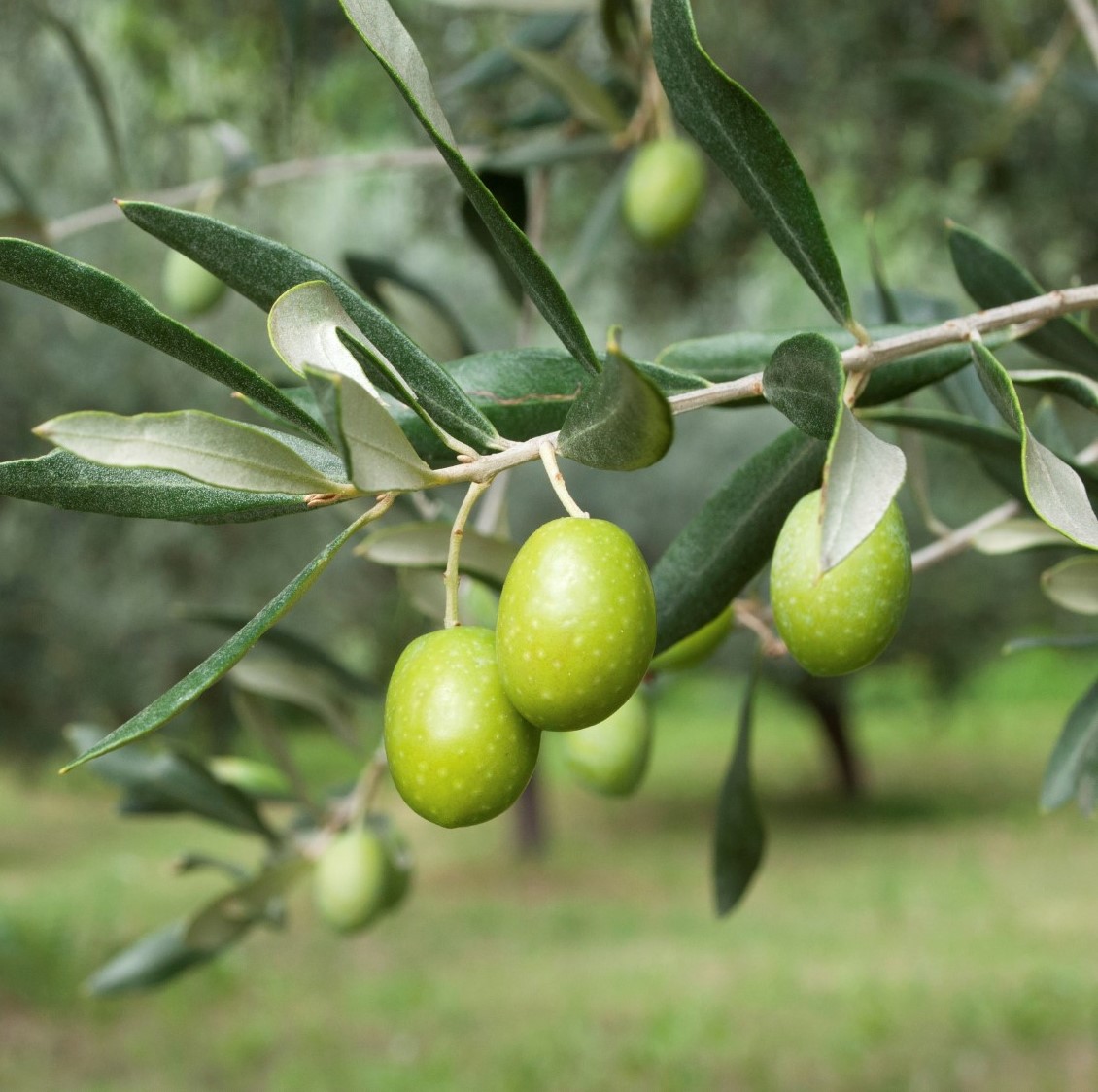
Monounsaturated fats can be found mainly in certain vegetable and nut oil, including olive, peanut, and canola. Monounsaturated fat like oleic acid can be found in almond, pistachio, pecan, avocado, hazelnut, cashew and macadamia oils as well as in the membranes of plant and animal cell structures.

A number of studies show that saturated fat significantly worsens insulin-resistance, while monounsaturated and polyunsaturated fats improve it through modifications in the composition of cell membranes. Shifting from a diet rich in saturated fat acids to one rich in monounsaturated fat improves insulin sensitivity in healthy people.

Large amounts of monounsaturated fat lower plasma total and LDL levels when compared with saturated fat. Unlike polyunsaturated oils, monounsaturated fat did not lower the plasma HDL cholesterol level.
Monounsaturated fat in food

Dietary fiber

Dietary fiber consists of remnants of plant cells resistant to hydrolysis (digestion) by the alimentary enzymes of man”, whose components are hemicellulose, cellulose, lignin, oligosaccharides, pectin, gums and waxes. The diets rich in fiber such as cereals, nuts, fruits and vegetables have a positive effect on health since their consumption has been related to decreased incidence of several diseases.

The term ‘dietary fiber’ (DF) was first introduced in 1950s, referring to plant cell wall materials.

* All fruits and nuts contribute to dietary fiber. Dietary fiber consists of cellulose, hemicellulose, lignin and pectic substances, which are derived primarily from fruit cell walls and skin.
*The dietary fiber content of fruits ranges from 0.5 to 1.5% (fresh weight)
*Dietary fiber plays an important role in relieving constipation by increasing water holding capacity of feces. Its consumption is also linked to decreased incidence of cardiovascular disease, diverticulosis, and colon cancer.

Soluble fibers have been shown to decrease cholesterol and lower blood glucose. Beans, oat bran, fruit and vegetables contain water-soluble fiber.

The consumption of water-soluble fiber binds to bile acids, suggesting that a high-fiber diet may result in an increased excretion of cholesterol. Some types of fiber, however, appear to have a greater effect than others. The fiber found in rolled oats is more effective in lowering blood cholesterol levels than the fiber found in wheat.

As suggested by dieticians and other nutrition practitioners, a healthy dietary pattern should include a variety of whole foods rich in fibers such as whole grains, fruits, vegetables, legumes, nuts and seeds, which will not only help to achieve the daily recommended amount for dietary fiber, but also to fulfil the needs for other important nutrients.
Dietary fiber
Triglycerides

The major components of fats and oils are triglycerides, which are formed by etherification of glycerol (a trihydroxy alcohol) and fatty acids.

Triglycerides are the most energy-rich nutrients; they provide nine calories per gram, more than twice the amount in protein and carbohydrate. The triglycerides make up the majority (95%) of lipids in food. The structure of these molecules, with its high number of carbon-carbon bonds, makes them an excellent source of energy for aerobic respiration.

Naturally occurring fats are always mixtures of different triglycerides. Triglycerides are classified as lipids, because they are insoluble in water.

In some triglycerides, all three fatty acids are the same. These are known as simple triglycerides; tributyrin, which contains three molecules of butyric acids, is an example.

Other triglycerides contain two different fatty acids and some contain three different fatty acids. These are known as mixed glycerides.

Triglycerides are digested in the intestine by lipases, enzymes that’s specifically degrade fat. Triglycerides digestion and absorption requires bile to free fatty acids and monoglycerides.

The liver also produces and secretes triglycerides, and packages them into lipoproteins. Chylomicrons are synthesized in the intestine, and VLDLs are synthesized in the liver.

Triglycerides are measured in alb test of serum lipids. High levels of blood triglycerides increase the likelihood of blood clots and may indirectly contribute to process leading to clogged arteries.
Triglycerides

Food sources of tocopherol

All eight forms of vitamin E (α-, β-, γ- and δ-tocopherols and tocotrienols) occurs naturally in foods, but relatively few foods have a high α-tocopherol concentration.

Generally, the richest sources are vegetables oils. Wheat germ oil, safflower oil, and sunflower oil contain predominantly α-tocopherol, while soy and corn oils have mainly γ-tocopherol.

Major sources of α-tocopherol in the American diet include vegetable oils, nuts, whole grains and green leafy vegetables.

Note that vegetable oils are also the richest sources of polyunsaturated fatty acids, which α-tocopherol protects.

Tocopherols exert their greatest effect in protection of animals fats (such as tallow) carotenoids, and vitamin A.

Tocopherols also functions as antioxidants in bacon, baked goods, butterfat, lard, margarine, rapeseed oil, safflower oil, and sunflower seed oil.

In United States, the average intake of α-tocopherol from food is approximately 8 mg daily for men and 6 mg daily for women, these levels are well below the RDA of 15 mg/day of RRR- α-tocopherol.
Food sources of tocopherol

Food sources of niacin (vitamin B3)

Niacin (nicotinic acid) is one of vitamin B. This compound is part of an enzyme system regulating reduction reactions in the body.

It is also a compound that dilates blood vessels. Deficiency of niacin causes pellagra (a disease that causes diarrhea, dermatitis, nervous disorders, and sometimes death).

In general, niacin is widespread in foodstuff. Cereals seeds, meat and fish are good food sources of niacin, which converts trigonelline.

All foods containing complete protein, such as the above mentioned, and also milk and eggs, are good source of the precursor of niacin, tryptophan. Tryptophan an amino acid present in some of these foods, can be converted to niacin in the body.

Lean meat, poultry, and peanuts are good sources of both niacin and tryptophan, as are beans, peas, other legumes, most nuts, and several whole grain or enriched cereal products.

The niacin vitamers in foods include nicotinic and nicotinamide, which occur in limited quantities in the free form, and their coenzymes, nicotinamide adenine dinucleotide (NAD) and nicotinamide adenine dinucleotide phosphate.
Food sources of niacin (vitamin B3)

Popular Posts